


Why a Handheld Tuner Is the Best Way to Customize Your Motorcycle's Performance
Modern motorcycles come equipped with sophisticated engine management systems that control everything from fuel delivery to ignition timing. Factory settings are calibrated for broad reliability and emissions compliance, which means a surprising amount of performance potential tends to sit untapped right out of the crate. That's precisely why handheld tuner motorcycle customization has become so popular among riders who want to unlock what their bikes are truly capable of.
At BT Moto, we've been developing these solutions since 2006. Our journey started with deep reverse engineering of ECU systems, and the breakthroughs that followed fundamentally changed how motorcyclists approach performance tuning. Since then, we've built our reputation on one core idea: tuning should be powerful, flexible, and something any rider can put to use on their own schedule.
The motorcycle tuning landscape offers several approaches, from permanent ECU modifications to piggyback systems, and we've tested all of them rigorously across multiple continents. What our years of research show is that handheld tuners represent the most well-rounded method for performance customization available today. Here's why they've become the gold standard for riders who are serious about their machines.
Understanding Handheld Tuner Technology
A handheld tuner is a portable electronic device that connects directly to your motorcycle's ECU (Engine Control Unit) through the diagnostic port, allowing it to modify performance parameters without permanently overwriting the factory software. Think of it as a sophisticated computer that speaks your motorcycle's native language, letting you adjust fuel maps, ignition timing, and other critical engine settings while keeping the original programming intact underneath.
The benefits of handheld tuners stretch far beyond raw performance gains. These devices offer real-time adjustability, rich data logging, and the ability to switch between multiple tune maps depending on riding conditions or personal preference. That combination is genuinely difficult to replicate through any other approach.
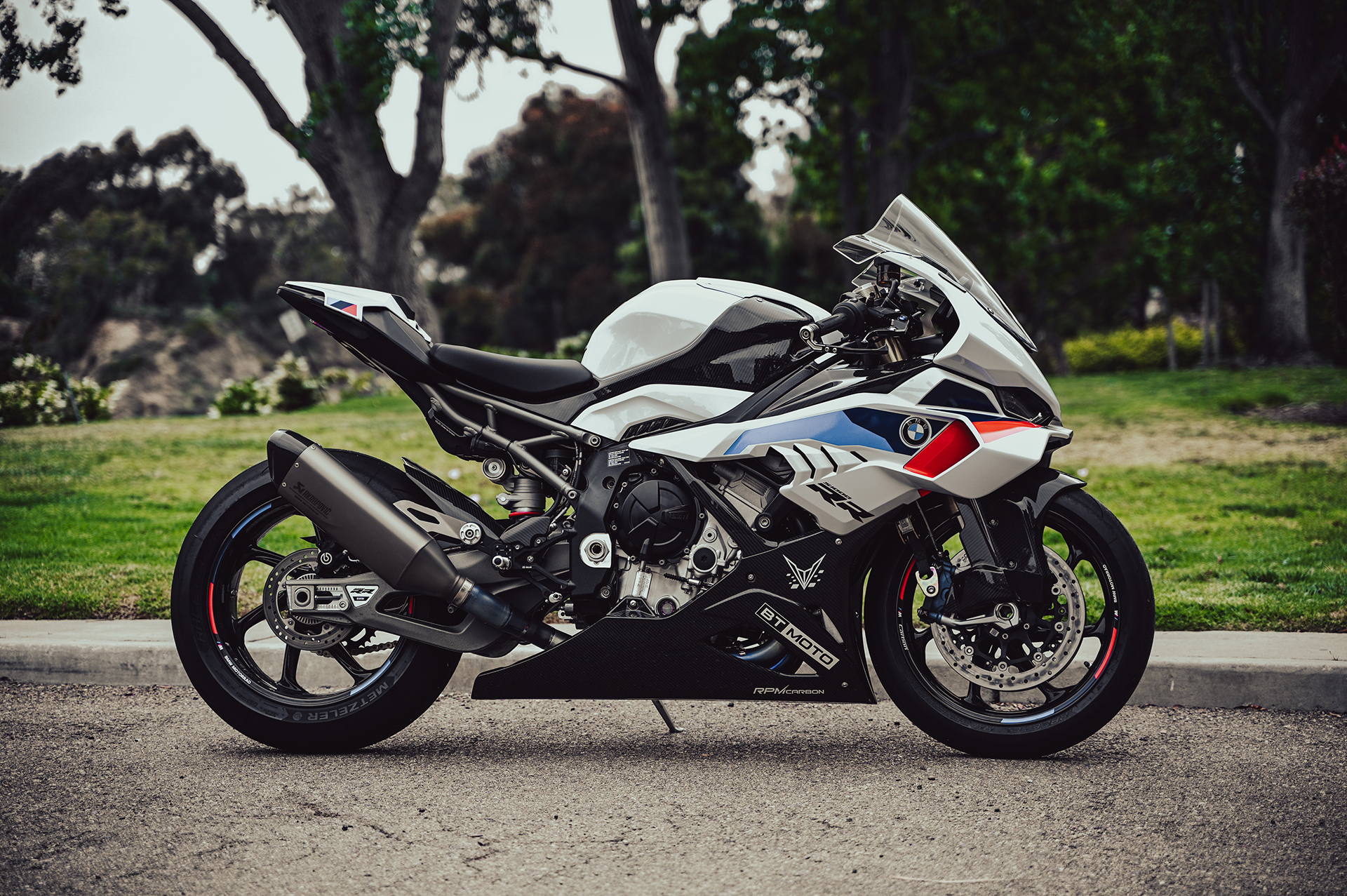
Our biggest milestone came in 2010 when our engineering team acquired a BMW S1000RR and developed the world's first handheld tuning solution for that platform. Getting there required extensive reverse engineering of the ECU, and the experience gave us an unusually deep understanding of how modern engine management systems respond to tuning. That foundation now underpins support for hundreds of platforms across our product range.
Comparing Tuning Methods: Why Handheld Tuners Lead
Riders considering performance modifications typically run into three main approaches: ECU flashing, piggyback systems, and handheld tuners. Each has its own set of trade-offs worth understanding before committing to one path.
ECU Flashing vs. Handheld Tuners
ECU flashing permanently rewrites the motorcycle's factory software with modified programming. It can deliver real performance gains, but the limitations that come with it are worth taking seriously before going down that road.
| Feature | ECU Flashing | Handheld Tuners |
| Reversibility | Difficult / Impossible | Instant |
| Real-Time Adjustments | No | Yes |
| Multiple Maps | Limited | Unlimited |
| Data Logging | Usually No | Comprehensive |
| Warranty Impact | High Risk | Minimal |
| Installation Complexity | High | Simple |
← Swipe left / right to view full table →
Reversibility is where the difference really shows up in practice. If you need your motorcycle back to stock for warranty service, emissions testing, or resale, a handheld tuner makes that an instant process. ECU flashing tends to create changes that dealers can detect even after an attempted restoration, introducing a level of exposure most riders would prefer to avoid.
Piggyback Systems vs. Handheld Tuners
Piggyback systems take a different approach altogether. Rather than modifying ECU software directly, they intercept and alter signals between the ECU and various sensors in real time. Less invasive than ECU flashing, certainly, but they still fall noticeably short of what a handheld tuner can do.
The core limitation is adjustment range. Piggyback systems offer a fairly narrow set of tunable parameters and add extra hardware inline with the existing wiring harness, introducing additional failure points over time.
Our handheld tuners sidestep that problem by communicating directly with the ECU through standardized protocols, so there's no extra hardware sitting in the electrical system waiting to cause trouble.
Key Benefits of Handheld Tuner Customization
Real-Time Performance Adjustability
One of the most compelling aspects of handheld tuning is the freedom to make parameter changes on the fly. Preparing for a track day, adapting to a different fuel grade, or compensating for a sudden weather shift are all situations where that freedom matters enormously.
Our software engineers write custom code built specifically for throttle response enhancement and on-the-spot adjustability, which means riders can dial things in for specific conditions without booking dyno time or leaning on a professional tuner.
Multiple Map Storage and Selection
Handheld tuners shine when it comes to storing and switching between multiple tune maps.
A typical setup covers a range of real-world scenarios that a single ECU flash cannot begin to address:
1. Street Map - Optimized for daily riding with smooth, predictable power delivery
2. Track Map - Maximum performance setup for racing applications
3. Touring Map - Improved fuel economy for long-distance riding
4. Rain Map - Reduced output for better traction in wet conditions
5. Valet Map - Restricted performance for when others need to move your motorcycle
That degree of flexibility is out of reach for ECU flashing, which locks you into a single map, and largely unavailable through piggyback systems that offer only minimal adjustment range.
Comprehensive Data Logging
Modern handheld tuners also function as capable diagnostic tools, capturing detailed information about engine behavior, sensor readings, and system status during real rides.
That data serves several purposes:
• Tracking measurable improvements in horsepower, torque, and fuel efficiency
• Surfacing potential issues before they develop into serious problems
• Giving our engineers the real-world feedback needed to keep refining performance maps
• Helping riders optimize service intervals instead of just following a calendar
Enhanced Throttle Response
Throttle response improvements are among the most immediately noticeable changes riders experience after tuning. Factory ECU programming tends to include conservative throttle mapping designed to satisfy emissions requirements and deliver smooth operation across a wide range of conditions. Our tuners allow precise adjustment of those characteristics, cutting lag and delivering sharp power the moment the grip is twisted. For track riding, spirited street work, or any situation where throttle precision is paramount, that difference is felt on every single ride.
BT Moto's Proven Track Record
Every tuning solution we release undergoes year-long testing spanning track days, drag strip validation, and real-world riding across multiple continents. That commitment to thorough validation is what separates a tune you feel good about from one you can actually depend on.
Performance Validation
The proof is in the results. Our tuners have powered motorcycles to 7-second quarter-mile passes, speeds exceeding 235 mph, and measurable performance gains across hundreds of engine management systems. These outcomes confirm what we've always believed: a handheld tuner, properly developed, can deliver professional-level results without the compromises other tuning methods inevitably bring along.
Global Reach and Certification
Operating from our 10,000 square foot facility with multiple engine and chassis dynos, we've refined our approach across an enormous range of motorcycle platforms. Our CARB certification covers compliance with emissions regulations in the most stringent markets, and our network of over 100 dealers across 25 countries ensures support is available wherever our customers ride. Having served over 30,000 customers and tuned more than 20,000 motorcycles worldwide, we have a pretty clear picture of what riders across different disciplines need and expect.
Technical Advantages of Handheld Tuning
Direct ECU Communication
Our handheld tuners communicate directly with the motorcycle's ECU using standardized protocols, which carries real technical weight. There are no additional hardware components that could fail, no signal interpretation layer introducing inaccuracy, and full compatibility with existing ECU architecture. Protection against harmful modifications is built in at the protocol level, providing a solid safeguard even when a rider is pushing parameters aggressively.
Custom Code Development
Our software engineering team builds custom code tailored to each supported motorcycle platform, as opposed to applying broad generic modifications across different engines. This platform-specific approach is what separates a tune that adds numbers on a dyno sheet from one that transforms how a motorcycle rides in the real world. Every engine management system has its own characteristics, and addressing those on their own terms is the only way to get the full picture right.
Wide System Support
Years of reverse engineering and development work have produced handheld tuning coverage for hundreds of engine management systems. That breadth means riders can access advanced tuning options regardless of make, model, or year, which is something very few tuning solutions can honestly claim.
Practical Benefits for Different Rider Types
Track Day Enthusiasts
Track riders get a great deal out of handheld tuner capabilities. Being able to adjust performance parameters between sessions means you can adapt for specific layouts, tire compounds, and shifting weather instead of being locked into whatever map was loaded the night before. Immediate adjustments between sessions, post-session data analysis, multiple map options for different track setups, and a quick return to street-legal settings for the ride home are all part of the package. That last point matters more than people often expect.
Street Riders
Daily riders appreciate the convenience that comes with having the right map for any situation. One motorcycle can serve multiple purposes effectively when you're in control of the tuning. Sharper throttle response for urban riding, fuel economy maps for touring, rain modes that add a meaningful margin of safety in adverse weather, and valet modes for those moments when extra security makes sense are all on the table.
Performance Enthusiasts
Serious performance riders need a level of precision and fine-tuning that other methods struggle to provide. The combination of real-time adjustment and deep data logging enables optimization that goes much further than what ECU flashing or piggyback systems can offer. If you're the kind of rider who wants to understand exactly what your motorcycle is doing and why, handheld tuning gives you the tools to find out.
Installation and Usage Advantages
Simple Installation Process
ECU flashing requires specialized equipment and a solid level of technical knowledge. Our handheld tuners plug directly into the motorcycle's diagnostic port, and the process from there is easy enough that no professional assistance is needed.
The typical installation comes down to five steps:
1. Locating the diagnostic connector
2. Connecting the handheld tuner
3. Following on-screen instructions
4. Selecting the desired performance map
5. Confirming the installation
Riders save both time and money while staying in full control of the process, which is, funnily enough, the whole point.
User-Friendly Interface
Our handheld tuners are built with clear menus, intuitive navigation, and helpful on-screen prompts that make the experience approachable for riders of all technical backgrounds. Advanced tuning options are accessible without needing an engineering degree to operate the device.
Portability Benefits
The portable form factor brings practical advantages that permanent modifications simply cannot match. A single tuner can support multiple motorcycles over time through a transfer process, stores neatly when not in use, and can be removed when the bike is parked publicly, cutting the theft risk that comes with permanent performance hardware. Come time to sell, pulling the tuner leaves the motorcycle in its original factory condition.
Long-Term Ownership Considerations
Warranty Protection
The freedom to return to factory settings at any moment is one of the most underappreciated aspects of handheld tuning. Warranty service can proceed without complications tied to performance modifications, since the motorcycle appears fully stock to the dealer's diagnostic equipment. That peace of mind is something permanent ECU modifications cannot offer.
Maintenance and Updates
As we develop and validate new setups, existing customers receive improved maps and expanded functionality. The table below shows how that plays out compared to other tuning approaches over the long run.
| Maintenance Aspect | Handheld Tuner | ECU Flashing | Piggyback System |
| Software Updates | Easy | Difficult | Limited |
| Map Refinements | Automatic | Manual Process | Not Available |
| Technical Support | Comprehensive | Limited | Variable |
| Troubleshooting | Built-in Tools | External Required | Complex |
← Swipe left / right to view full table →
Future Compatibility
The modular nature of handheld tuner systems means they grow alongside the motorcycle. As riders add performance parts or upgrade components, the tuner accommodates those changes through map adjustments, no fresh approach from scratch required. That kind of adaptability makes handheld tuning a sound long-term investment, one that stays relevant as the bike evolves over the years.
Safety and Reliability Considerations
Built-In Safety Features
Our handheld tuners incorporate several layers of protection for both motorcycle and rider. Parameter limit enforcement keeps modifications from crossing into territory that could cause engine damage. Automatic backups are created before any changes are applied. System status monitoring keeps watch for potential issues in real time. And an emergency reset capability allows immediate restoration of factory settings if anything unexpected happens mid-process.
Quality Assurance Testing
Every tuner goes through a rigorous validation process before it ships, covering track testing, drag strip runs, and real-world riding across a wide range of conditions. That year-long process is how we stay confident our devices will hold up under demanding use while preserving the safety and dependability that motorcycle riders rightfully expect.
Cost-Effectiveness Analysis
Initial Investment Comparison
Handheld tuners carry a higher upfront cost than basic ECU flashing, and that's worth acknowledging plainly. The long-term value proposition is where the picture changes considerably, though. Multiple map capability removes the need for repeated tuning sessions. The device can support multiple motorcycles across the years of ownership. Ongoing map improvements arrive without additional cost. And the data logging and diagnostic capabilities included in the package would otherwise require separate tools to replicate.
Long-Term Value
The ongoing utility of a handheld tuner provides something a one-time modification cannot offer: relevance that persists throughout the ownership period. As the bike gets upgraded and modifications evolve, the tuner adapts alongside it, never becoming obsolete. That characteristic alone makes it a fundamentally different kind of purchase.
Professional Service Savings
Perhaps the most tangible financial benefit is the reduction in professional tuning service costs. Riders can make adjustments as conditions change without scheduling dyno time or paying for professional installation, which adds up to significant savings over the life of the device.
Environmental and Regulatory Compliance
CARB Certification
Our handheld tuners carry CARB certification, confirming compliance with emissions regulations in markets with the strictest standards. It's a concrete demonstration that performance enhancement and environmental responsibility can coexist instead of pulling against each other.
Emissions Testing Compliance
The ability to return instantly to factory settings removes any concern about passing emissions inspections in areas where testing is required. Riders can run optimized performance maps for regular riding and revert to stock when compliance testing comes around, with no complicated procedure standing between those two states.
Transform Your Ride Today
Handheld tuners represent the most complete method for motorcycle performance customization available today. Reversibility, real-time adjustability, rich data logging, and platform-specific engineering working together in a single device is a combination that other approaches have struggled to match. Our track record across more than 30,000 customers and years of testing backs that up with results, not just claims.
Whether you're after sharper throttle response, serious track performance, or the freedom to optimize your motorcycle for different riding situations, our handheld tuners are built to deliver. Contact us to find out how BT Moto can unlock your motorcycle's real potential.
Recent Posts

Related Posts

How to Locate Dyno Tuning Near Me
ByRick Simpson.22 Oct 2026

Difference Mail In vs OBD Flash
ByRick Simpson.22 Oct 2026
.jpg)
2023 BMW M1000RR Review: The Ultimate Riding Experience
ByRick Simpson.22 Oct 2026